Letter from America - Loss in the Grand Canyon!
Loss in the Grand Canyon!
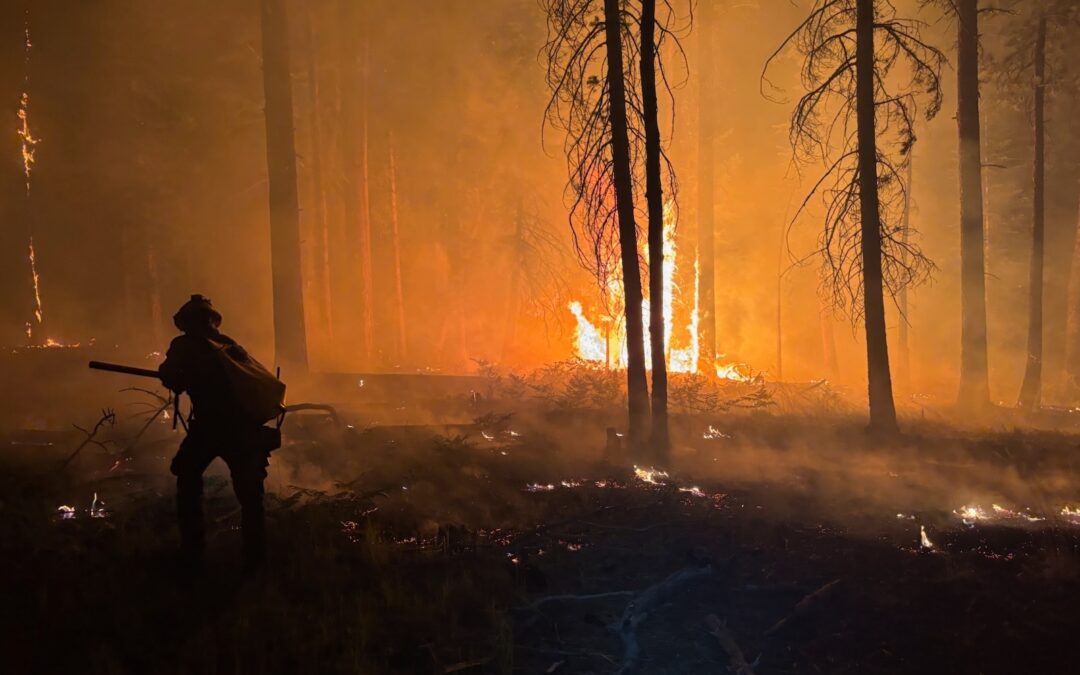
With wildfires spreading across northern Arizona, smoke clouds rose over the Kaibab Plateau. Within a few hours, flames reached the North Rim of the Grand Canyon, and by evening the Grand Canyon Lodge was on fire — the heart of the North Rim community for over ninety years, and a cherished piece of U.S. national heritage under the care of the National Park Service (NPS).
The Lodge was built in 1928 and later granted National Historic Landmark status. Designed by renowned architect Gilbert Stanley Underwood, it was constructed using local materials — Kaibab limestone, Arizona ponderosa pine, and Douglas fir — to blend into the natural landscape. For nearly a century, it opened its doors to visitors from every corner of the world. The building itself stood as a living symbol of cultural conservation and architecture suited to nature.
Its loss is devastating — not only for tourism and the local economy but for cultural heritage in the United States. The Grand Canyon was visible through the large windows in the sunroom. Large hand-carved beams were part of the interior design. A large fire burned in the stone hearth to welcome visitors. It was impossible to imagine the North Rim experience without spending a night in a wooden cabin beside the Lodge. It was central to the North Rim experience. Its destruction leaves a gap impossible to fill in the nation's cultural and architectural landscape.
Treasure at Risk
The Lodge stood as a living symbol of the principles of the first generation of conservationists. Located 1,000 feet higher than the South Rim, it always offered a quieter, more personal experience on the North Rim.
But that remoteness comes at a cost. Fire crews must travel far from their bases. Electronic communication is not widely available — in particular, mobile phone coverage is not reliable. Emergency responses are slower, and decisions often have to be made quickly and with limited information.
“I worked at the Lodge for three summers in the 1990s,” says Maria Sanchez, a former NPS seasonal employee. “We were worried about fire even then. We had regular drills, but we always understood we’d be left on our own if a big fire spread.”
According to the NPS, on July 10, 2025 lightning struck a dry forest nearby and began the Dragon Bravo fire. Although teams were monitoring it, it was initially not seen as an immediate threat. Inaction occurred because their trust was based on inadequate models. But then the wind shifted suddenly and the fire spread rapidly. Ground and aerial crews made seven determined attempts to control it, but they failed — it was too late by then. Everyone moved out of the Lodge in time, but the Lodge itself burned to the ground, along with most cabins and other buildings.
System in Disrepair
This was not just a natural disaster. The NPS has been under pressure for years. According to the Public Lands Alliance, the NPS lost nearly 3,000 full-time jobs over the past decade. Seasonal hiring has also declined, and there isn’t enough firefighting equipment available.
A 2023 Government Accountability Office (GAO) report claimed that officials were not properly prepared to deal with wildfires in national parks — including the Grand Canyon. They recommended better inter-agency coordination, reduced fire risk, and greater investment in protective infrastructure. But most of those recommendations were shelved.
The same report mentioned delays in updating evacuation protocols and failure to develop aid agreements between parks and local authorities. Historic buildings in high-risk areas — including the North Rim Lodge — were left without sprinkler systems, shelters, or comprehensive disaster plans.
Lessons Still to be learned
This tragedy echoes past failures: the Yellowstone fires in 1988 and Chimney Tops 2 in Great Smoky Mountains National Park in 2016. The risk was clear then too, but the response was inadequate.
When the alarm came this time, NPS teams were already dealing with other fires in Arizona. Internal sources show there were unusual delays in dealing with the Dragon Bravo fire. Meanwhile, some lodges like the Ahwahnee Hotel in Yosemite are well-prepared, with sprinkler systems, fire-retardant roofing, and cleared surroundings. It’s clear that standards vary between parks. Why isn’t the same standard applied across the board?
“There Must Be an Investigation”
Arizona Governor Katie Hobbs said bluntly after seeing the burned Lodge:
“There must be an independent investigation. We cannot allow historic landmarks like this to disappear without accountability.”
She’s right. We must ask the crucial questions: Why was expert advice ignored? Why weren’t precautions taken?
Climate crises are increasing. 2023 was one of the driest years ever on the Kaibab Plateau, yet funding for the agencies responsible for protecting our parks and heritage continues to be cut.
If we love the Grand Canyon, we must protect it — with firm action, not quiet memories.
What Happens Now?
The extent of the damage is still being assessed. Rebuilding is not ruled out but will be challenging. If it could be built once a hundred years ago, why not again now?
Fundraising has already begun by former employees and North Rim friends. But rebuilding alone isn’t enough. We need a strategic reassessment of how we safeguard our heritage.
Recommendations for the Future
To protect our National Parks into the future, clear and practical steps must be taken:
• Install water sprinkler systems and fire-retardant roofing on historic buildings
• Maintain cleared buffer zones around structures
• Implement forest management based on environmental, economic, and cultural criteria
• Share real-time data among agencies
• Deploy early-warning systems including satellites and drones
• Ensure strong, well-equipped firefighting teams are immediately available
• Conduct yearly risk reviews and protective planning in heritage zones
National Responsibility
Congress must pass a National Parks Emergency Act. This would allocate $500 million for wildfire prevention and infrastructure repair in at-risk parks, prioritizing protection of historic buildings like the Lodge.
The Lodge’s destruction isn’t just a loss — it’s a warning. If resource cuts continue, more tragedies are inevitable.



 English
  Gaeilge