Obituary: Bishop Dave O'Connell
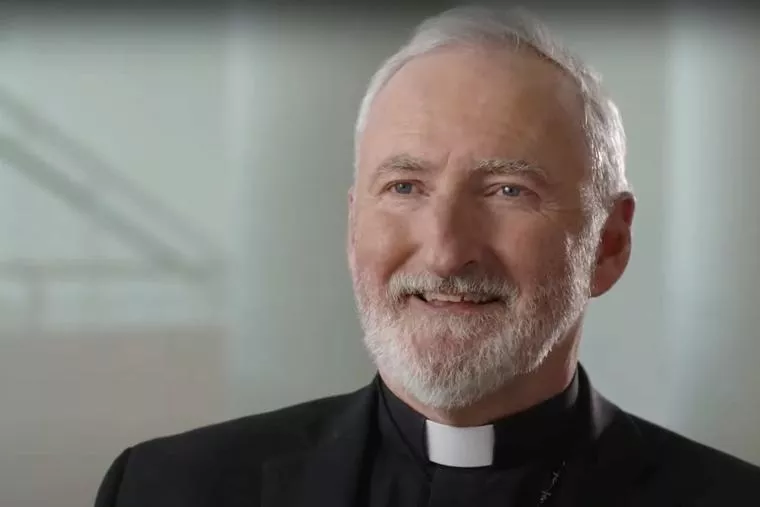
An tEaspag Dave O’Connell
Catholics in Southern California and around the world have recently been mourning the death of Bishop David O'Connell in Los Angeles. The bishop was known as 'The Peacemaker' and was famous for his work with poor migrant communities. He was shot dead in his sleep at his home in East Los Angeles. Home repair contractor Carlos Medina (65), who did odd jobs for the Bishop around the house, and whose wife worked as a housekeeper for the Bishop, has been accused of murdering Bishop O'Connell. Neighbors of the Bishop complained to the authorities that Carlos Medina, who had a previous drug conviction, had been behaving erratically for the past few days. After the police did some excellent detective work based on that tip, Medina was arrested on suspicion of murdering the Bishop.
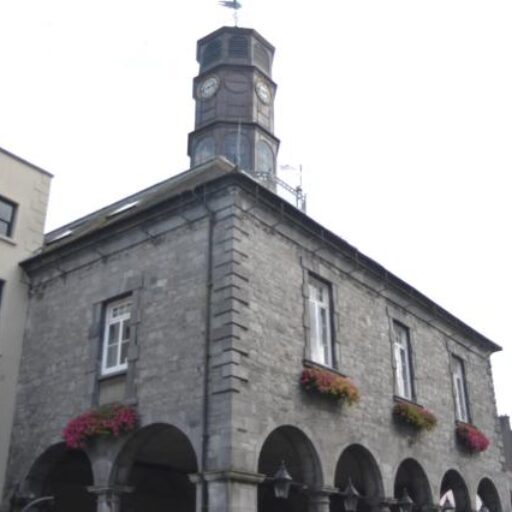
The Bishop was born and raised in Glanmire in County Cork. He studied for the priesthood at All Hallows College in Dublin and was ordained in the Archdiocese of Los Angeles in 1979.
Los Angeles Archbishop José H. Gómez described the Bishop in an emotional press conference. He was trying to hold back tears as he spoke of O'Connell. "Every day Bishop O'Connell tried to show compassion for the poor, the homeless, the immigrants and all those who live on the margins of society. He was a good priest, a good bishop and a man of peace," said the Archbishop.
The Archbishop's voice began to tremble as he spoke of his friend's death and how grateful he is to the police force and the investigative team "for their hard work in bringing the murder suspect into custody".
During his career throughout Los Angeles County, O'Connell stood up to federal and local officials, and even his own leaders when he had to, on behalf of the flock he served. Even after Pope Francis appointed him bishop in 2015, O'Connell never lost touch with the ordinary people.
Peter Dreier, professor of urban politics at 'Occidental College' in Los Angeles and author of 'The Next Los Angeles: The Struggle for a Livable City,' remembered O'Connell as a community organizer who put his personal charm to work for the poor and for people who are disempowered.
“I was always very impressed with Bishop Dave and how knowledgeable he was in the matters of life. I was also impressed by his compassion, and his willingness to challenge people in power on a variety of issues, especially immigrant rights, housing justice, racism and public safety,” Dreier wrote in a Facebook post. "He saw the church as a vehicle for social justice."
Bishop Dave was the parish priest at St. Frances Xavier Cabrini Church in South Los Angeles for more than ten years and the people of the parish remember that Dave was always working for them without stopping. The news of his death shocked them and they struggled to make sense of the violent death he suffered – violence in stark contrast to the Bishop's own attitude and life.
Jarlath Cunnane, priest at St Cornelius Catholic Church on Long Beach in California, met O'Connell more than 50 years ago at All Hallows College in Dublin, while they were studying to become priests. They had a lot in common - both studied English while attending university - and Cunnane quickly realized that O'Connell was a funny, perceptive man.
The two men moved to California in the nineties, and their friendship grew deeper over the years. In 2020, when Cunnane was in hospital for several weeks with a blood infection, O'Connell visited him almost every day. Cunnane was on an oxygen machine at the time and had a terrible taste in his mouth the whole time. O'Connell gave him a kombucha drink almost every visit to reduce that taste.
“He had a great capacity for friendship," Cunnane said of O'Connell.
The two friends met for dinner recently, Cunnane said, and discussed plans to visit some parishes in the O'Connell archdiocese in the near future. His longtime friend wasn't concerned for his own safety, Cunnane said, so it came as a complete shock to him when he found out he had been shot to death. "Who on earth would ever think of doing something like this?" he asked. He is right and Bishop Dave's life has been lost senselessly - may his soul rest in eternal peace.


 English
  Gaeilge