Learn with the article
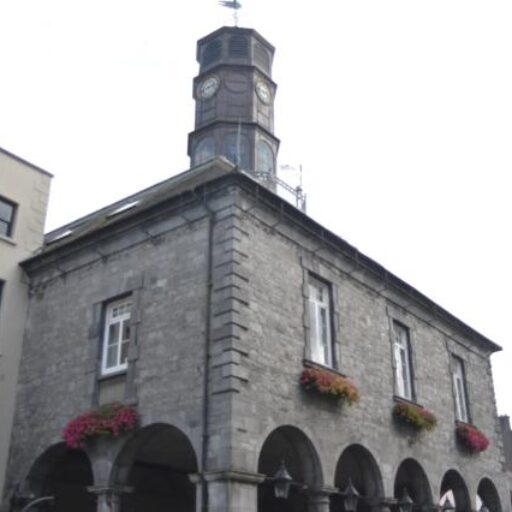
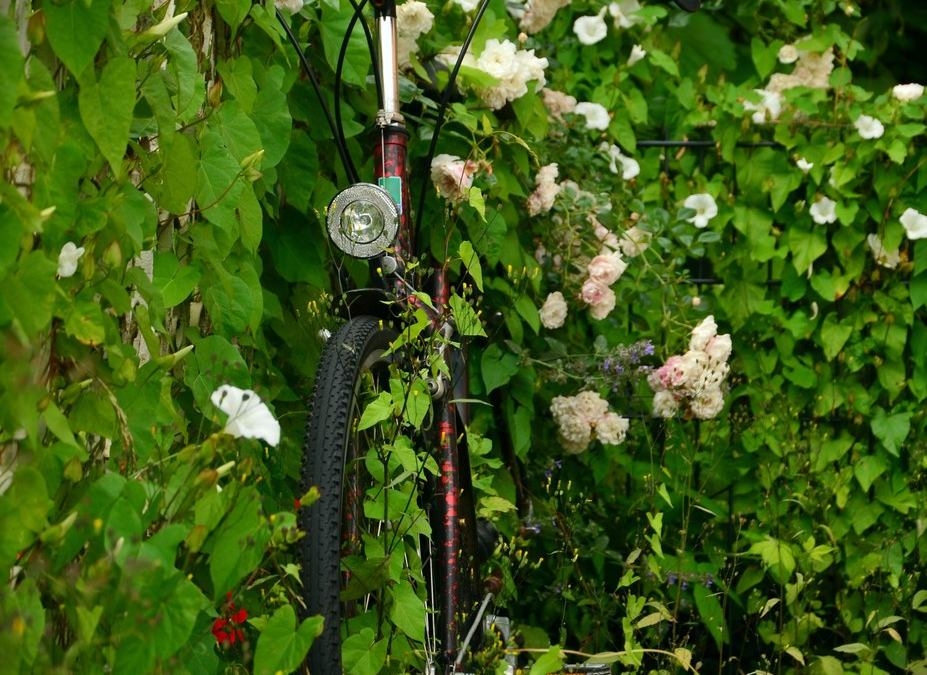
When I returned to St Kieran’s College as a day student again in fourth year, my parents bought me a bicycle. I fell in love with it straight away. It meant freedom. My friend Tom, who lived across the road, had one too. On long summer evenings we cycled into Kilkenny, wandering with no destination in mind. When we had the money, we stopped for a plate of chips or a Knickerbocker Glory ice-cream sundae at Wimpy’s beside the Tholsel in the city centre. For two teenagers, a bicycle opened up the world. It was no surprise, then, that I got hooked on cycling.
Reading was my other great pleasure, so I combined the two. I cycled slowly up and down the footpath outside our house with a book balanced on the handlebars. The footpath was quiet. Hardly anyone passed. I got great enjoyment from riding my bike and reading at the same time.
I also wanted to improve my skills. I liked testing how slowly I could cycle without putting my foot down. Balance became a game. I got quite good at it over time. The bike had no gears, which made the challenge harder and more enjoyable.
That summer, after finishing fourth year at school, I developed a strong interest in fishing. I often took my rod and bait in the morning and cycled down to the river to fish. I was able to do that activity because of the bike. It also made things safer, as I could avoid the housing estate where the bullies lived.
Except once.
I was outside Cathy Clohessey’s sweet shop in the Village one day, putting the sweets I had just bought into my pocket, and about to mount the bike when one of the bullies came up to me. He shoved me. He insulted me. He called me ugly names. Before he started hitting me, some adults came walking towards us and he backed off. I seized the chance, jumped on the bike and pedalled away as fast as I could. After that, I had to give up the sweets for a while. It wasn’t worth it.
Things settled down again, and I spent the rest of the summer fishing. Then one afternoon, when a day’s fishing was over, I walked back to where I had left the bike. It was gone. I searched everywhere, but there was no sign of it. I walked home, taking the long way to avoid trouble. My parents were not pleased when they heard what had happened to the bike.
My father was known in the family as “the Observer.” He noticed things other people didn’t. A writer’s habit, perhaps. He watched closely and remembered what he saw.
He acted quickly. We got into the car and drove off. From time to time, he reminded me to keep a sharp lookout.
“Scan, man. Scan.”
That’s how it became Operation Scan Man.
I showed him exactly where the bike had been left. I also told him what I thought had happened. If the bullies had been watching me, they were the most likely suspects. We drove through their estate first. Every road. Every lane. Nothing. Then we checked the surrounding streets. Again, nothing.
Dad didn’t give up. Instead, he widened the search. We returned to the river and drove down a stretch we hadn’t yet covered. It led towards a street not far from the estate. Halfway along, he slowed.
“There.”
I hadn’t seen it myself. Only a small part of the handlebars was visible, sticking up through the long grass by the riverbank. But it was enough. We stopped and examined the bike. The front wheel was bent. The frame was scratched and dented. Although it had been damaged, we thought it could be repaired. We put the bike into the car and drove straight to Phil Larkin’s bike shop in the Village. We told him what had happened. He turned the bike slowly. Said nothing at first. Then he shook his head.
“This damage was done deliberately,” he said.
He pointed out the marks on the wheel and the frame.
“A hammer, I’d say,” he said. “Pure vandalism. Leave it with me.”
A few days later, the bike was ready. When we went to pay, Phil shook his head.
“You’re good customers,” he said. “And this should never have happened. There’s no charge.”
Dad tried to give him the money. Phil refused.
“One good turn deserves another,” he said.
Then he handed me a bike lock.
“And this will help too.”
After that, I locked the bike in the city centre and walked along the river when I went fishing. The bike was never stolen again.
Before long, I was back on the footpath outside the house too, book on the handlebars, cycling slowly. I must have read most of I, Robot by Isaac Asimov during that summer.
My father never got the chance to play detective like that again. But he was there when I needed him. That day I realised I wasn’t alone. Dad was on my side. Phil Larkin was on my side too.



 English
 Gaeilge