
Learn with the article
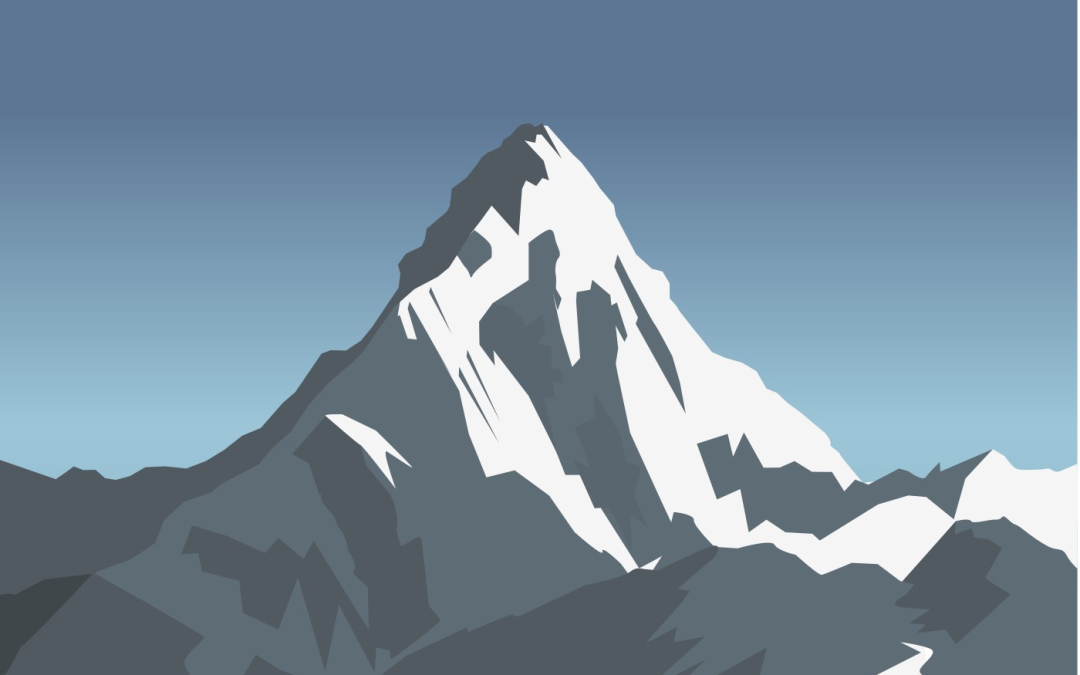
Jim Morrison has climbed Everest’s north face. The cameras followed him and Jimmy Chin up the mountain. Below Jim is a steep slope of snow, ice and rock, with a drop of about 9,000 feet from top to bottom.
Then he skis down.
On much of this route, if he fell, he would have no chance of stopping himself. They call it a “no-fall zone.” When he reaches bare rock, he has to take off his skis and lower himself on a rope before continuing.
Even safe in the cinema, I was on the edge of my seat, afraid that a ski would slip.
But Jim makes it. The first ski descent of this route is the climax of Everest: The Other Side, directed by Jimmy Chin and Elizabeth Chai Vasarhelyi.
His wife and their two young children died in a plane crash in 2011. He describes his grief and the small thing that helped him begin to recover: noticing the beauty of nature through the window.
Four years after the tragedy, he met Hilaree Nelson and fell in love with her. She was a mountaineer and a skier. They shared a love of climbing big mountains and then skiing down them. In the family footage, we see them with Hilaree’s two sons. They planned to climb Everest and ski down from the summit.
Hilaree explains what draws her to the mountains. High in the mountains, she says, the boundary between the physical and spiritual worlds grows thinner. “You can almost reach your hand through to the other side.”
But then, in 2022, Hilaree died on a training expedition on Manaslu in Nepal.
We see the moment in the film. A slab of snow gives way beneath her feet. She is swept away.
It took me a little while to understand what I had seen. I wondered how they had decided to show those images. It takes a different kind of courage for Jim to share that moment and what follows with us. The cameras stay with him as he struggles with that loss.
In a separate interview, Jim describes being high on Everest. He felt the presence of the children he had lost, laughing beside him and urging him on. He felt Hilaree with him too as he climbed Everest’s north face.
He is trying to complete the project he and Hilaree planned together, in her honour.
This time, Chin joins him as a climbing partner, facing the same dangers he is filming. The Sherpas carry the supplies, secure the ropes and make the expedition possible for the team.
The editing brings together life at home and life on the mountain. When we see Jim on Everest, we are thinking of that life and what he has lost. I wanted him to succeed, but more than anything, I wanted him to come home.
I see the love behind Jim’s determination. I also see selfishness in the risks he takes, which could leave his family and friends behind. They worry when Jim is away on a demanding expedition in the mountains. I understand the pull of that challenge for him, but that does not mean the risk is worth taking.
Chuir sé The Summit, Nick Ryan’s documentary. It tells the story of Ger McDonnell, the mountaineer from Limerick who died on K2. On his descent, McDonnell stopped to help other climbers who were tangled in their ropes.
Both films raise the same question for me: what responsibility does a climber have towards other people? In Jim’s story, I think of the family waiting at home. In McDonnell’s, people are trapped in front of him on the mountain.
This is not a feelgood film. But it is a deeply human story of love, loss and the struggle to carry on.
One of the scenes that stayed with me most takes place far from the mountains. Vasarhelyi is sitting with Chin at the dining table. She asks him to count the people who have eaten at that table and have since died.
“That might take a while,” he says after a brief pause.
They begin to name them.
Tá Everest: The Other Side is one of the best documentaries I have ever seen.


 English
 Gaeilge